Design for the Planet brought together discussions on fashion, climate and territory during its edition held on November 6 at Hotel Santa Teresa, in Rio de Janeiro. Hosted by the United Nations Office for Partnerships in collaboration with Fashinnovation, the event took place alongside the COP30 Local Leaders Forum and convened representatives from the fashion, creativity and sustainability sectors to debate the role of the industry within the climate agenda and territorial development.
The meeting reflected a moment of maturation in the debate. At Design for the Planet, discussions moved beyond discourse and addressed strategy, supply chains, metrics, social justice, bioeconomy and transparency as structural elements within the fashion industry.
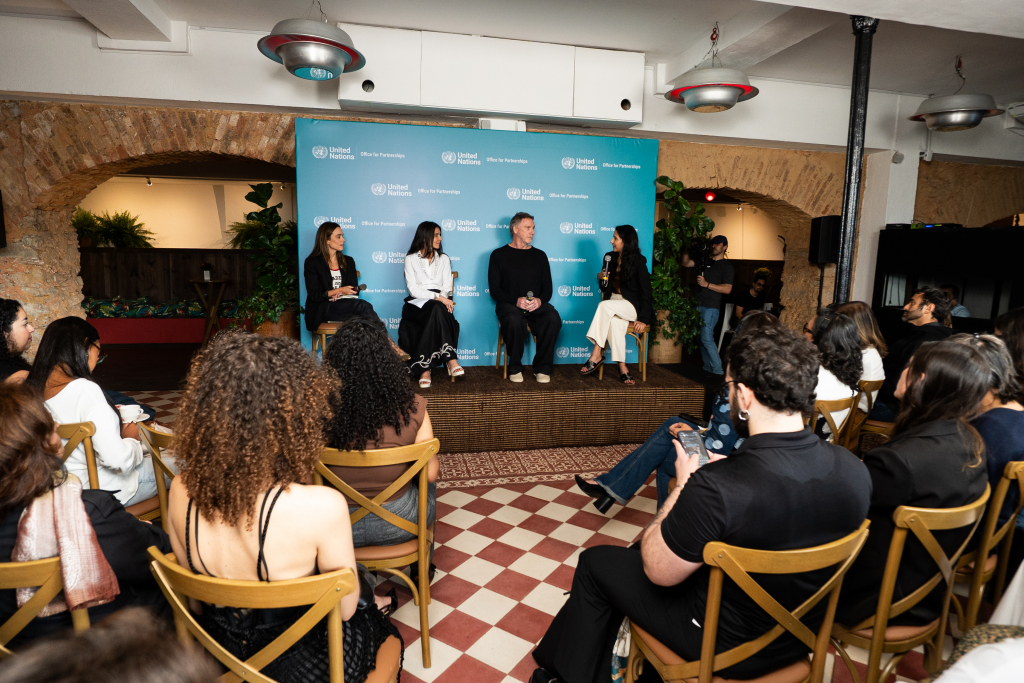
Context of the meeting and the choice of Rio de Janeiro
The selection of Rio de Janeiro as the host city was linked to Brazil’s relevance in the climate debate and to the city’s ability to connect fashion, culture, the creative economy and public policy. The Design for the Planet event also marked a shift by the UN toward expanding this discussion beyond its traditional centers, bringing the international network closer to territories where solutions are tested and implemented in practice.
The timing of the meeting, held shortly before COP30, which took place in Belém from November 10 to 21, further contextualized the discussions. Brazil holds a central position when issues such as biodiversity, bioeconomy and sustainable development are at stake, and fashion was presented as a sector capable of engaging with these agendas through concrete actions.
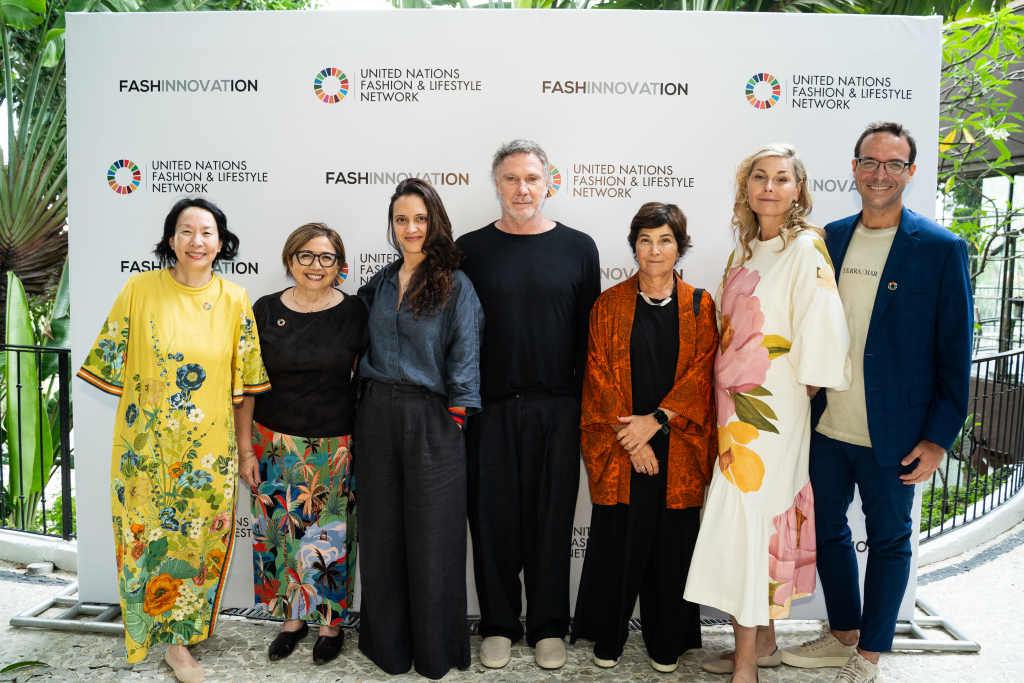
Key points of the meeting
Design for the Planet highlighted fashion as a relevant tool for sustainable development, particularly when aligned with public policy, innovation and social impact. Discussions pointed to a sector in transition, with increased attention to implementation and process structure.
- Rio de Janeiro was presented as a creative hub, with the potential to connect fashion, culture, the economy and public authorities.
- Fashion was discussed as a cultural and economic industry, capable of generating income, inclusion and territorial development.
- Sustainability was addressed as a system, encompassing bioeconomy, social impact, local development and environmental preservation, rather than focusing solely on carbon emissions.
- The importance of metrics, indicators and a long-term perspective emerged as a condition for ensuring credibility and avoiding greenwashing.
- Education, transparency and clear communication were identified as central elements for brands and platforms.
- Work with productive communities was presented as strategic, but dependent on time, structure, logistics and fair compensation.
- Competition with low-cost products highlighted the challenges of maintaining ethical supply chains in a globalized market.
- Communication was discussed through a shift in perspective: individuals increasingly take on a more active role when deciding where to invest their attention and resources.
Key learnings from Design for the Planet
The discussions reinforced several relevant takeaways for the future of fashion in Brazil and other markets.
- Sustainability should be treated as a cross-cutting agenda, involving supply chains, governance, logistics, labor and communication.
- In the Brazilian context, bioeconomy and social justice are central components of sustainable fashion strategies.
- Collaboration between brands, communities, government, the third sector and media is necessary to expand scale and impact.
- Credibility depends on metrics, transparency and consistency, rather than aspirational discourse.
- Fashion holds significant cultural influence and can contribute to structural change when discourse and practice are aligned.
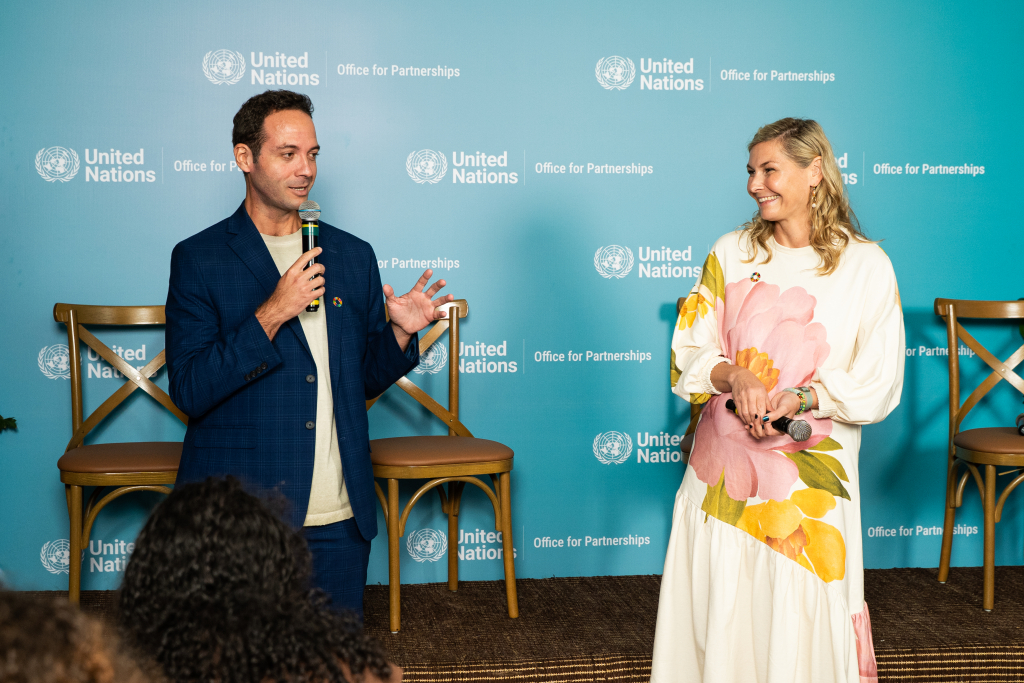
Developments and implications after COP30
The discussions suggested that Brazil has the conditions to occupy a relevant position in the debate on sustainability applied to fashion, based on its cultural diversity, creative base, artisanal potential and environmental wealth. The challenge lies in transforming these assets into consistent models with measurable impact and stronger integration between market and territory.
Overall, the discussions at Design for the Planet pointed to the need to strengthen collective approaches, with greater integration among the different actors within the value chain. More than positioning, the focus shifts toward building structural solutions grounded in transparency, continuity and long-term commitment.
You can also read WWD’s coverage of Design for the Planet in Rio, highlighting the panels, speakers and the event’s connection to COP30.
Check out Fashinnovation’s blog for more insights on fashion, innovation, technology and sustainability.