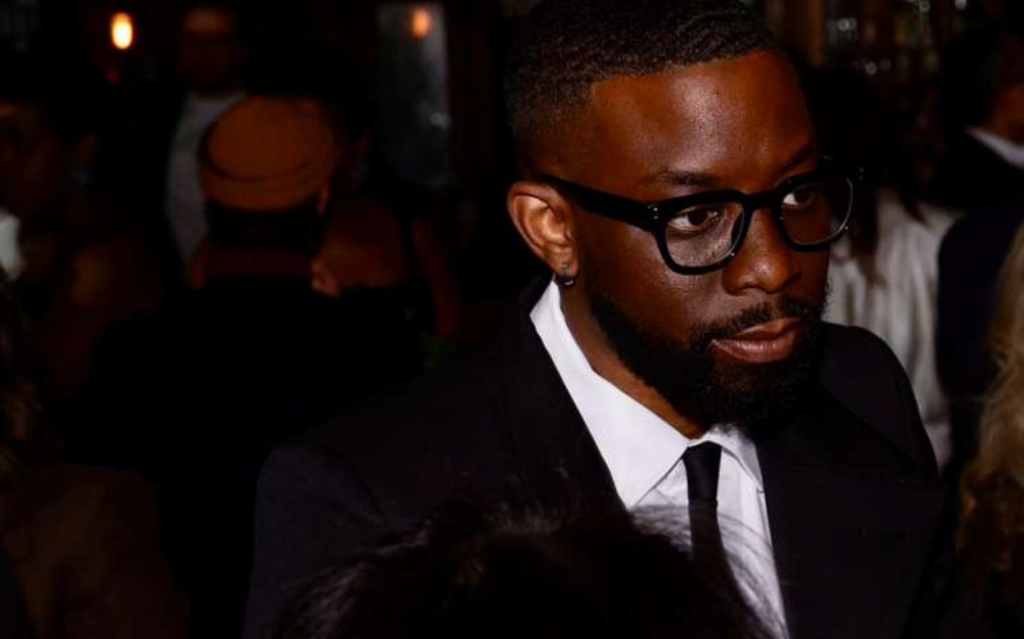
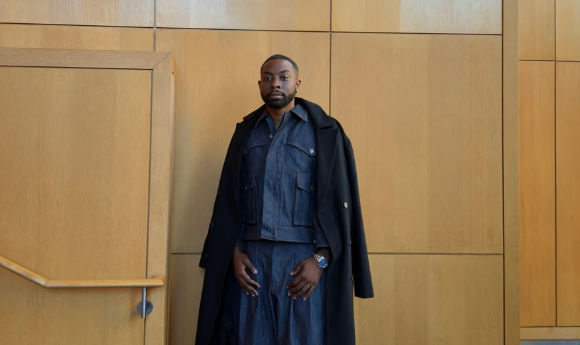
Today, we interviewed John Imah. He is the founder and CEO at SPREEAI, an artificial intelligence company focused on AI-driven retail and virtual try-on solutions for fashion brands and enterprise retailers. We talked about how technology has already changed the fashion industry.
What inspired you to build your company, and what problem in the fashion industry were you determined to solve?
I’ve always lived at the intersection of fashion and technology. Growing up, I was the kid who loved style—largely influenced by my mom—and the one constantly taking things apart to understand how they worked. After a career in big tech, that pull toward fashion never really left me. What stood out over time was how disconnected these two worlds were, especially when it came to the customer experience. Shopping for clothes often felt like a gamble—Will this fit me? Will it look right?—and that uncertainty wasn’t just frustrating for customers, it was incredibly inefficient for brands. Returns were high, personalization was limited, and the overall experience hadn’t evolved at the pace of the consumer. A pivotal moment for me was a trip to Europe in 2022, where nearly every executive I met expressed the same challenges: increase sales, reduce returns, and create more meaningful, personalized experiences. That consistency made it clear this wasn’t a niche problem—it was systemic.
So I set out to build something broader than a single solution—a fashion-first AI platform designed to support the entire customer journey. SPREEAI isn’t confined to e-commerce; it operates online, in-store, and within high-touch environments for VICs, where personalization and service matter most. It’s about giving brands the ability to truly understand and serve their customers across every touchpoint. While capabilities like photorealistic try-on and precise sizing are important, they’re just components of a larger vision. At its core, SPREEAI is about removing friction from how people discover, experience, and purchase fashion—making it more intuitive, more personalized, and ultimately more human.
The goal was never to replace creativity, but to enhance it. When technology is applied thoughtfully, it doesn’t compete with fashion—it elevates it. And that’s what we’re building toward: a more connected, more intelligent, and more seamless future for how people engage with style.
John Imah, what does innovation in fashion mean to you today?
To me, innovation in fashion means pushing the boundaries of how we create and experience style by harnessing new technology and fresh thinking. It’s not just about inventing a cool gadget or a flashy new fabric; it’s about blending creativity with technology to solve real problems and elevate the art of fashion. Today, that could mean using AI to personalize the shopping experience or leveraging data to predict trends and reduce waste. Crucially, innovation has to respect fashion’s soul – its culture and creativity. I often say that in our industry, “AI in fashion isn’t about robots taking over; it’s about humans and AI coming together to push creativity forward” . In practice, that means technology should amplify designers’ and consumers’ creative expression, not stifle it.
We’re also seeing innovation drive inclusivity and accessibility in fashion. Modern tech allows anyone to see themselves in styles they love, regardless of body type or location, which is a huge shift from the one-size-fits-all approach of the past. From sustainable materials to virtual runways, innovation in fashion today is a broad spectrum. But at its core, it’s about reimagining every aspect of the fashion journey – design, production, retail, and wear – in a way that’s smarter, more personal, and more connected. It means staying ahead of cultural trends, listening to the community, and using tools like AI to enhance how we express ourselves through clothing. In short, innovation in fashion is about continually finding better ways to help people look good, feel good, and tell their story through what they wear.
How does your company help fashion brands operate or grow more effectively?
At SPREEAI, we always say that we’re a platform, not just a product. What that means is we provide an end-to-end solution that plugs into multiple parts of a brand’s business to make it stronger. Sure, one of our flagship capabilities is photorealistic virtual try-on – customers can see themselves in an outfit as if they’re looking at a real photo – but that’s just one part of the customer journey. We pair that with an AI-powered sizing tool that is accurate, so shoppers know which size will fit them before they check out. By tackling both the “How will it look?” and “Will it fit?” questions, we massively boost customer confidence. This leads to more conversions (people buying instead of abandoning their cart) and fewer returns. In fact, we’re solving some of fashion retail’s most costly problems: we make sure shoppers can see garments on themselves in a lifelike way and know the fit, which directly reduces return rates and protects margins. When a brand doesn’t have to worry about 40%–50% of their products boomeranging back to the warehouse, that’s a huge operational win.
Beyond those core features, we help brands by being an omnichannel AI partner. Our platform isn’t limited to online e-commerce – we’re integrating it in physical stores and even in the hands of sales associates and personal stylists. Imagine walking into a boutique and having an interactive smart mirror that shows you in any outfit without actually changing, or a store associate using a tablet to instantly demo styles on you – that’s the kind of rich experience we enable. We’re even empowering brands to better serve their VIP clientele (what luxury labels call VICs, Very Important Clients) around the world. A stylist in London can use SPREEAI to show a top client in Dubai exactly how a new collection would look on them, personalized to their body and style preferences, in seconds. In other words, we give brands a unified platform to deliver a seamless, personalized experience whether their customer is shopping online from home, in a flagship store, or via a personal shopper halfway across the globe. This helps fashion companies grow more effectively by building customer loyalty and engagement. They get happier customers, higher sales, and lower costs – all without sacrificing the creativity and brand integrity that make fashion an art in the first place. And because we co-create our tech with fashion brands (rather than pushing a one-size-fits-all tech solution), our partners feel like we’re an extension of their team, not just another vendor . That collaborative approach makes adoption smoother and impact stronger on their operations.
What are the biggest challenges and opportunities facing fashion companies today?
I see a few major challenges that fashion companies have to navigate right now. First, there’s the mandate to bridge the gap between physical and digital shopping. Consumers expect a unified experience – they want the convenience of online shopping and the personal touch of a boutique. Delivering that seamless omnichannel experience is easier said than done; many brands are still figuring out how to tear down the barrier between online and in-store experiences . Second, the industry grapples with high return rates and slim margins, especially in e-commerce. The lack of accurate fit and visualization online means customers order multiple sizes or styles and send most back, which is incredibly costly. I’ve had designers tell me how devastating returns are – one noted that if you sell $1M worth of clothes and $800k gets returned, your business can’t survive . Related to that is the sustainability challenge: fashion has a notorious environmental footprint, and those returns (and overproduction in general) only make it worse. Brands are under pressure to reduce waste and adopt sustainable practices, all while staying profitable. Another challenge is the pace of change – technology, trends, and consumer expectations are evolving faster than ever. A brand must be agile and tech-savvy, without losing its identity, to keep up with Gen Z shoppers who expect personalization, social-media-worthy experiences, and values-driven business practices (from diversity to eco-consciousness). Adapting to all that can be tough for companies that were built on traditional models.
On the flip side, these challenges come hand-in-hand with extraordinary opportunities. The same technologies disrupting fashion – AI, AR/VR, big data, you name it – are also offering tools to reinvent it. For example, the rise of AI-driven personalization is a huge opportunity: brands can offer each customer a curated, “just-for-you” experience at scale, something that was never possible before. Embracing innovations like virtual try-ons or AI stylists can not only solve the fit problem but also create a fun, engaging shopping journey that sets brands apart. The market for these new experiences is growing fast (the global virtual try-on market alone is projected to reach around $50 billion by 2030), which signals how much consumers are ready for tech-enhanced fashion. Another opportunity is the ability to reach global audiences instantaneously. A small fashion house can now leverage e-commerce, social media, and digital tools to build a worldwide customer base without the traditional barriers – if they innovate, a trend can catch fire across continents overnight. There’s also a cultural opportunity: fashion brands can tap into the current conversations about inclusivity and representation, using technology to include customers of all shapes, sizes, and backgrounds in the story. Brands that use data and AI thoughtfully can forecast trends more accurately, manage inventory smarter, and even design products that resonate more deeply with what people want. In essence, the biggest opportunity for fashion companies is to embrace technology to become more agile, customer-centric, and sustainable. Those that do have a chance to not just overcome the challenges but to truly redefine how fashion works in the modern era.
What excites you most about the future of fashion and technology?
Honestly, I get energized just thinking about the future of fashion-tech because it feels like we’re on the cusp of a revolution in how people express themselves. One of the things that excites me most is the idea of making the shopping experience hyper-personal and seamlessly integrated into our lives. We’re heading toward a world where whether you’re browsing a boutique in Los Angeles or hanging out in a virtual metaverse showroom, you can have your own AI stylist with you – an assistant that knows your preferences, shows you exactly how each piece would look on you, and even suggests perfect accessories you might love . Imagine never having to wonder how something will fit or look, because technology ensures every choice is visible on your own avatar in real time. That blend of the physical and digital — trying on a dress in an AR mirror in a store, then having matching recommendations pop up on your phone later at home — will make shopping feel like magic. It excites me that in the future, “going shopping” might mean a fully immersive, interactive experience that’s as entertaining as it is efficient.
I’m also excited about how fashion and technology together can ignite new levels of creativity. We’re already seeing designers use AI to brainstorm prints or architects of virtual clothes for digital avatars. In the future, I think we’ll see collaborations between AI and human designers that produce styles we couldn’t have imagined otherwise. Tech can handle the heavy lifting of data and logistics, freeing up creatives to focus on storytelling and craft. And for consumers, tech will allow everyone to be an insider – you could customize garments in real time or virtually attend fashion shows from your living room. The future I see is one where shopping is never a chore or a guesswork gamble again . Instead, it’s a fluid, delightful journey whether you’re in a store, on your couch, or in a virtual space. We’ll have the convenience of e-commerce fused with the confidence and thrill of a personal stylist experience. Fashion will be more global yet more personal, more high-tech yet more human. That convergence is what thrills me – it’s the idea that anyone, anywhere can engage with fashion in a deeply personal, creative way, with a little help from technology. And as someone who loves both fashion and tech, seeing them finally sync up in a harmonious way is incredibly exciting.
One book, one leader, and one quote that inspire you.
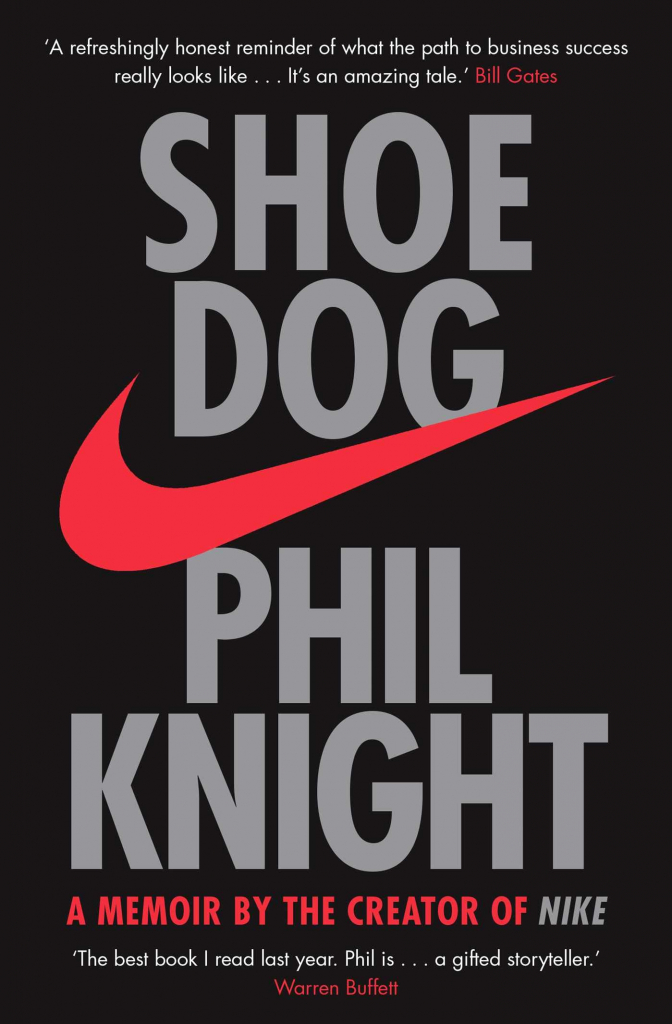
Book: Shoe Dog by Phil Knight.
This memoir of Nike’s founder really inspires me because it’s about perseverance, vision, and building something iconic from the ground up. Knight’s journey reminds me that behind every great brand is a crazy dream and years of hard work. The book taught me about staying resilient through setbacks and staying true to a bold vision – lessons that are hugely relevant in my own startup journey.

Leader: Steve Jobs, the late co-founder of Apple.
I admire Jobs not just for his technological innovation but for his obsession with the intersection of technology and the humanities (very much like tech and fashion). He had an incredible ability to foresee what people really want and to push boundaries to deliver it. Steve Jobs inspires me to strive for that level of integrated innovation – where design meets function in a way that genuinely enriches people’s lives. His focus on user experience and his mantra of thinking differently resonate a lot with what we try to do at SPREEAI (after all, we’re combining great tech with great style to create something new).
Quote: “To whom much is given, much is expected.”
This is a saying I live by. My parents instilled it in me early on, and it’s stuck with me as both an inspiration and a responsibility . It reminds me that I’ve been fortunate in many ways – opportunities, talents, mentors – and because of that, I have a duty to give back and uplift others. Whether it’s mentoring young entrepreneurs, championing diversity in tech, or building tools that help creatives and consumers, that quote keeps me grounded. It’s a guiding principle that pushes me to use whatever success I have to create positive impact. So whenever I need motivation or perspective, I think of that line – it tells me to stay hungry, stay humble, and help others along the way.