Getting one Brazilian brand in front of U.S. buyers is already a challenge.
Bringing twelve brands into the same room, at the same trade show, as part of one international mission is something different.
That happened at COTERIE New York this season, where a delegation of brands from Rio de Janeiro presented their collections to the U.S. market through a mission organized by SEBRAE Rio de Janeiro.
The goal went beyond simply exhibiting product.
For these companies, New York became a place to test positioning, understand the market, meet buyers and begin building relationships that could support international expansion.
What SEBRAE Is Building
International expansion rarely starts with a purchase order.
Before a brand sells abroad, it has to understand pricing, positioning, distribution, logistics, buyer expectations and how its identity translates into a different market.
That is where initiatives like the SEBRAE Rio de Janeiro mission come in.
By bringing twelve companies to COTERIE together, the program created a shared entry point into the U.S. fashion ecosystem — giving the brands an opportunity to present their work, learn from the market and build connections on the ground.
And COTERIE provides exactly the kind of environment where that conversation can begin: buyers, brands, retailers and industry professionals moving through the same floor.
The Brands in the Room
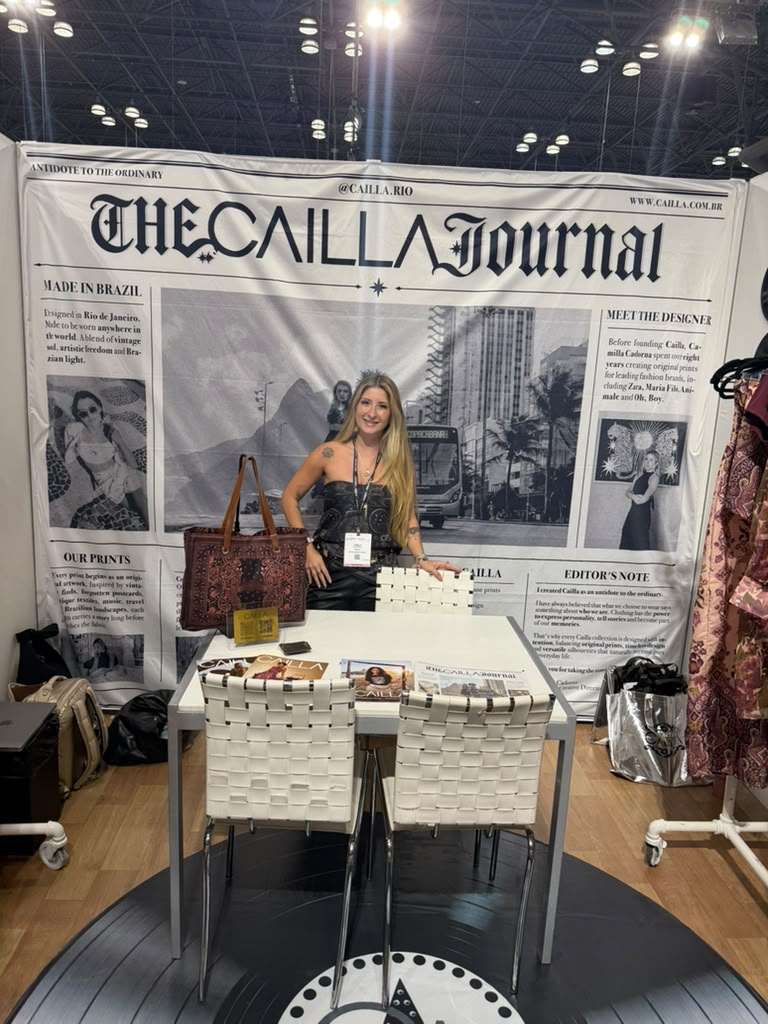
Cailla
Born between the sky and the sea of Rio de Janeiro, CAILLA is a womenswear brand built on authorial prints, art, and sensorial design, created for women who move through the world with freedom and authenticity. Its style blends contemporary boho-luxe with a subtle mystical energy, expressed through symbols, rituals, and details that create connection. Every piece is designed as a creative ritual: versatile, artistic, and made to move with a woman through all her different expressions: solar, intuitive, rebellious, romantic, wild, and soft.
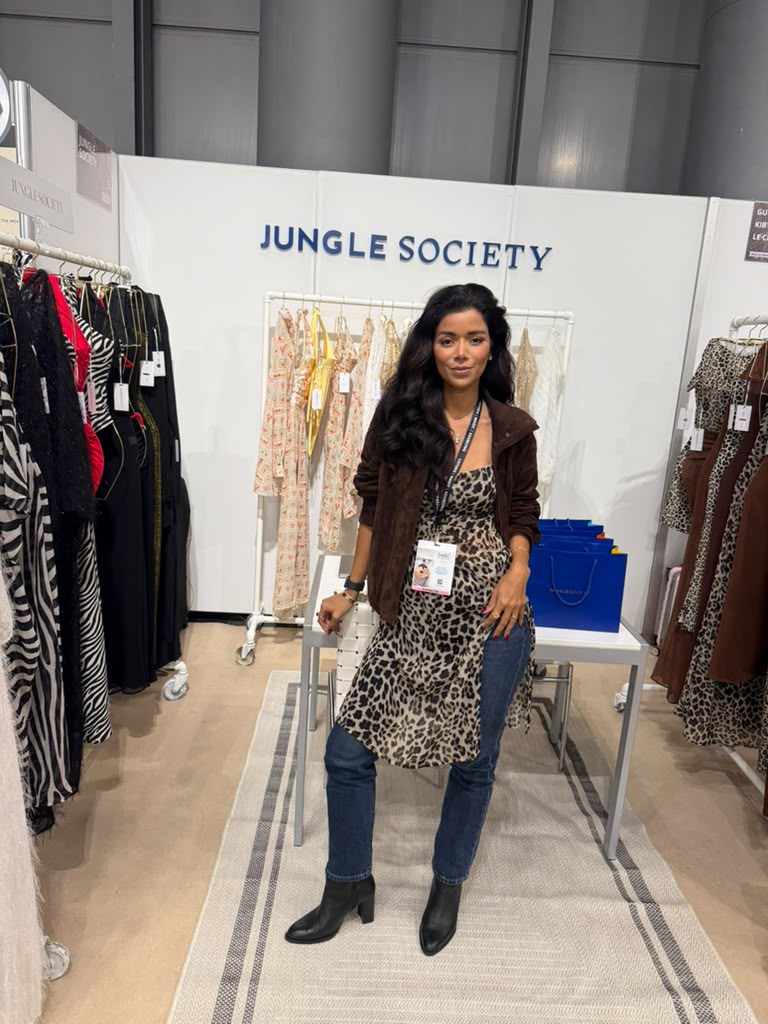
Jungle Society
Jungle Society exists to empower bold, free women through a luxurious, exuberant lifestyle inspired by Rio’s Carnaval. The brand centers on self-confidence, freedom of expression, and a connection to nature, creating products and experiences that celebrate feminine beauty, strength, and individuality.
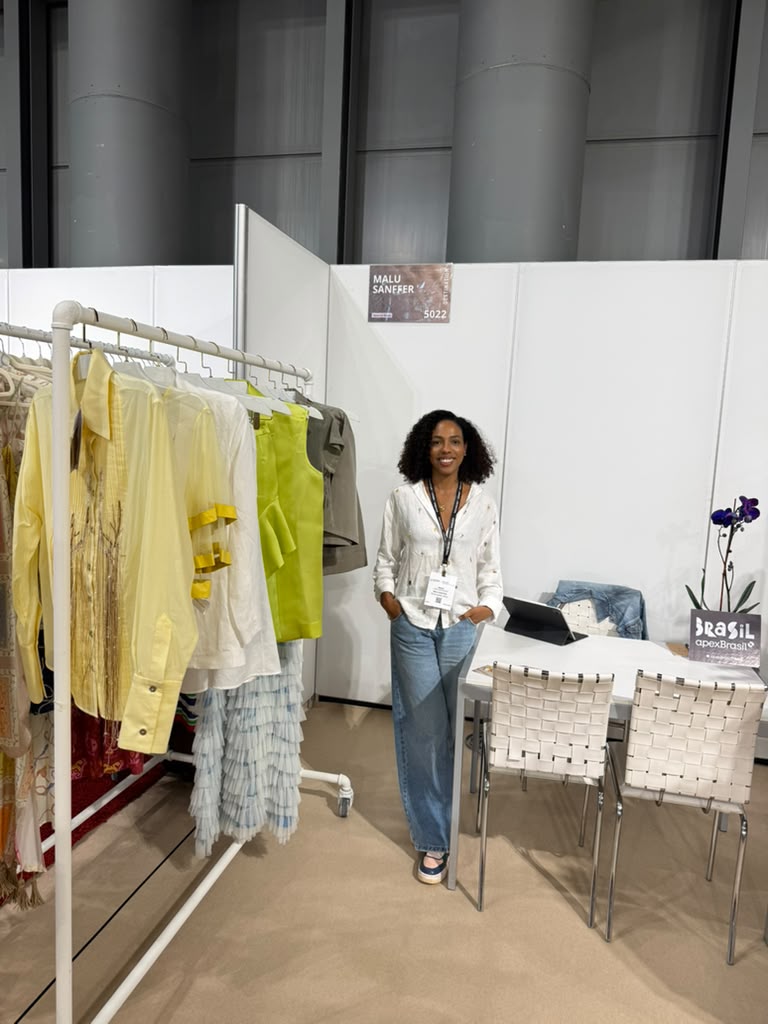
Malu Sanffer
Malu Sanffer is a contemporary Brazilian ready-to-wear brand built on the desire to slow down and honor the time it takes to create. Working with limited production and artisanal processes, the brand focuses on pieces made to last, both on the body and in the life of the person wearing them.
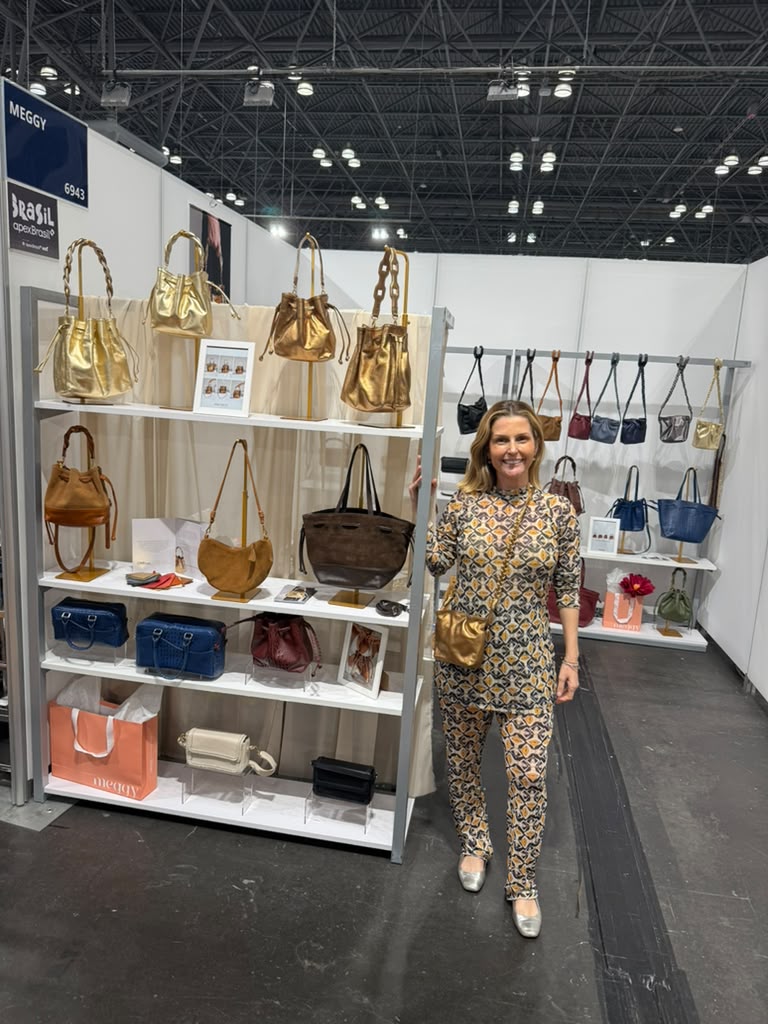
Meggy
Meggy is a Rio-based brand of handmade, authorial handbags, crafted from kind leather, certified by the Leather Working Group for clean production and a traceable supply chain. Versatile, timeless, and effortlessly chic, each piece is designed to move with the modern woman through every part of her day, from dressed-up occasions to a quick errand. The brand’s purpose is simple: sophisticated, lasting quality that keeps up with real life.
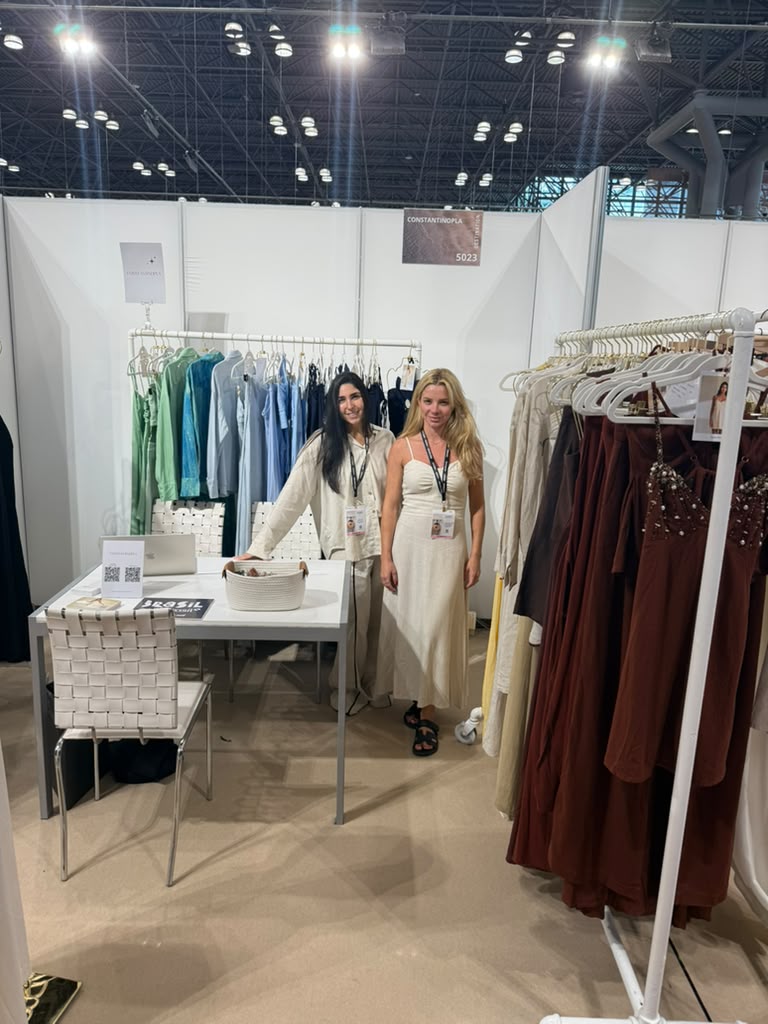
Constantinopla
Constantinopla Rio is a resortwear brand born in Rio de Janeiro, built around a light, sophisticated style inspired by sunny days. The line features fluid silhouettes, relaxed tailoring, natural textures, and exclusive prints: dresses, pants, shirts, and tops designed for a contemporary, versatile wardrobe.
https://constantinoplario.com.br
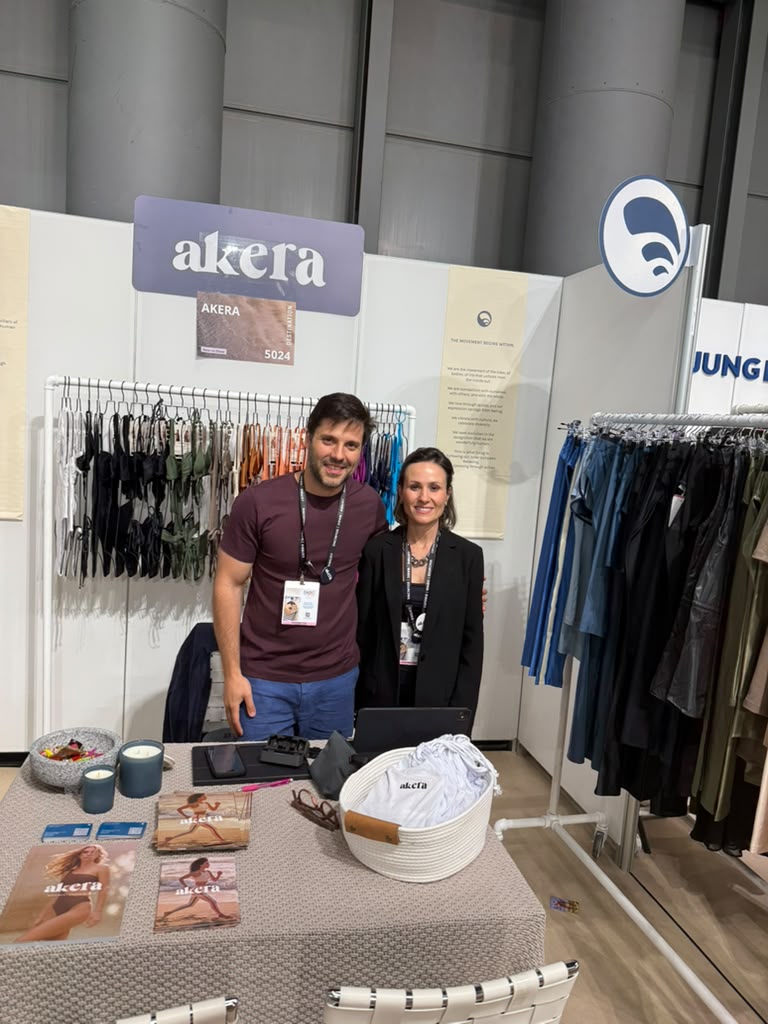
Akera
Akera translates Brazilian authenticity into clothing that is light, free, unique, and timeless. Drawing on the country’s natural diversity, the brand designs pieces with a distinct touch that celebrates the body, using cuts developed to flatter different silhouettes. Handcrafted techniques, artisanal detail, and sustainability run through every step of production. Akera dresses Brazilian.
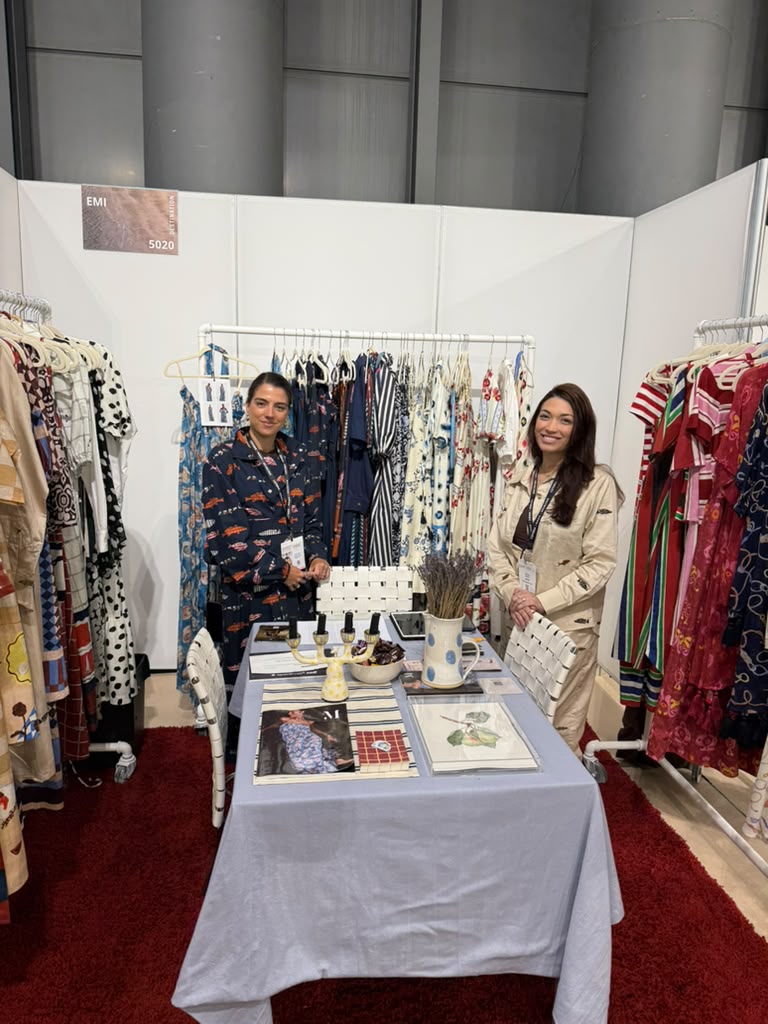
EMI
EMI’s prints carry the authentic, creative personality of founder Anna Luiza Vasconcellos, who hand-paints each original pattern herself. The brand brings art and fashion together through color and the creative act itself, resulting in bold chromatic compositions and silhouettes made to transcend trends. Built with fine materials and local craftsmanship, EMI is designed with minimal environmental impact. Playful, authentic fashion made with care and respect for nature.
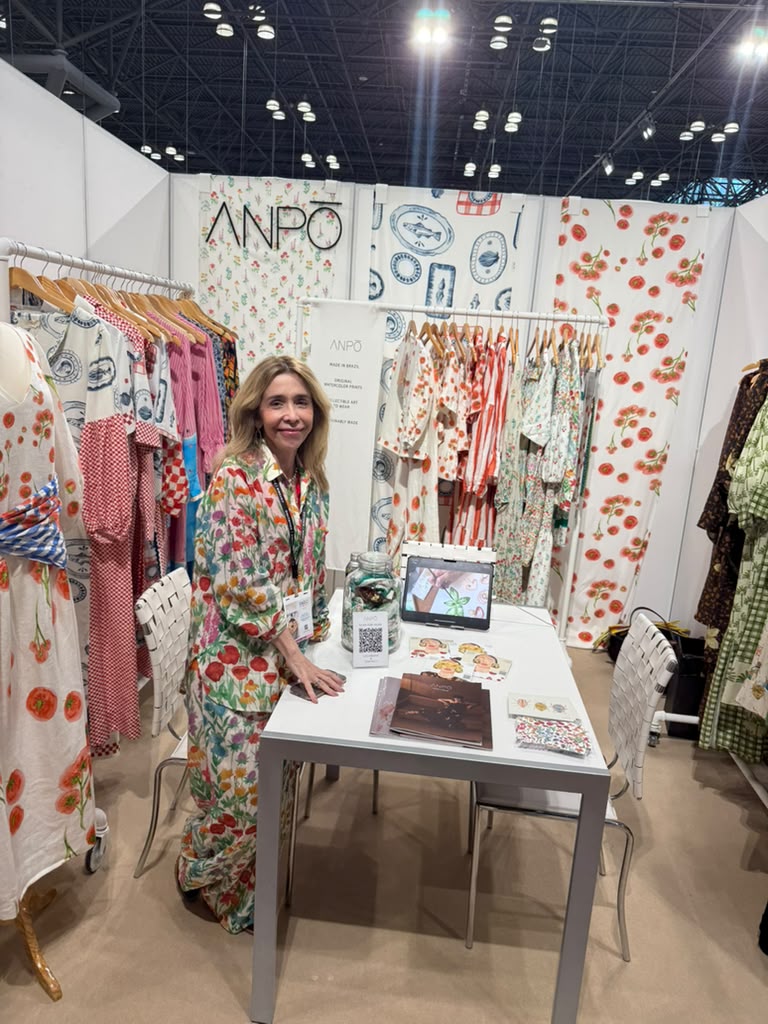
ANPÔ
ANPÔ’s exclusive prints are created by creative director Ana Beatriz Poswolski, through a deeply personal process where memories, places, and stories become hand-painted watercolors. Before it’s ever fabric, each print is already a story, which is what makes every ANPÔ piece unique. For the brand, getting dressed goes beyond aesthetics: it’s a form of expression, a way of connecting with what moves and inspires. Every collection is a chapter, and every garment a living narrative that stays with the person wearing it.
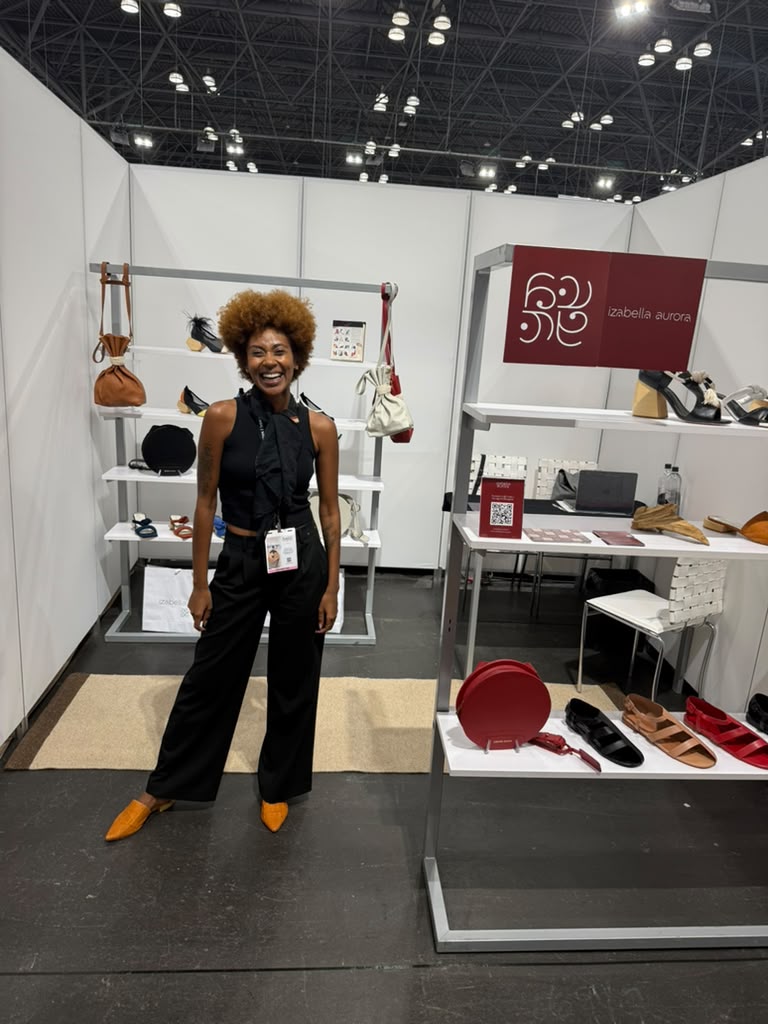
Izabella Aurora
Izabella Aurora began in 2014, when designer Izabella Suzart, still in college, discovered a passion for the handmade process behind footwear. She started by taking apart her own shoes to understand how they were made, which led her to her first patternmaker. She built her first model alone in a lab at PUC-Rio, then kept learning under her patternmaker’s guidance, sketching pair after pair to find her own design language.
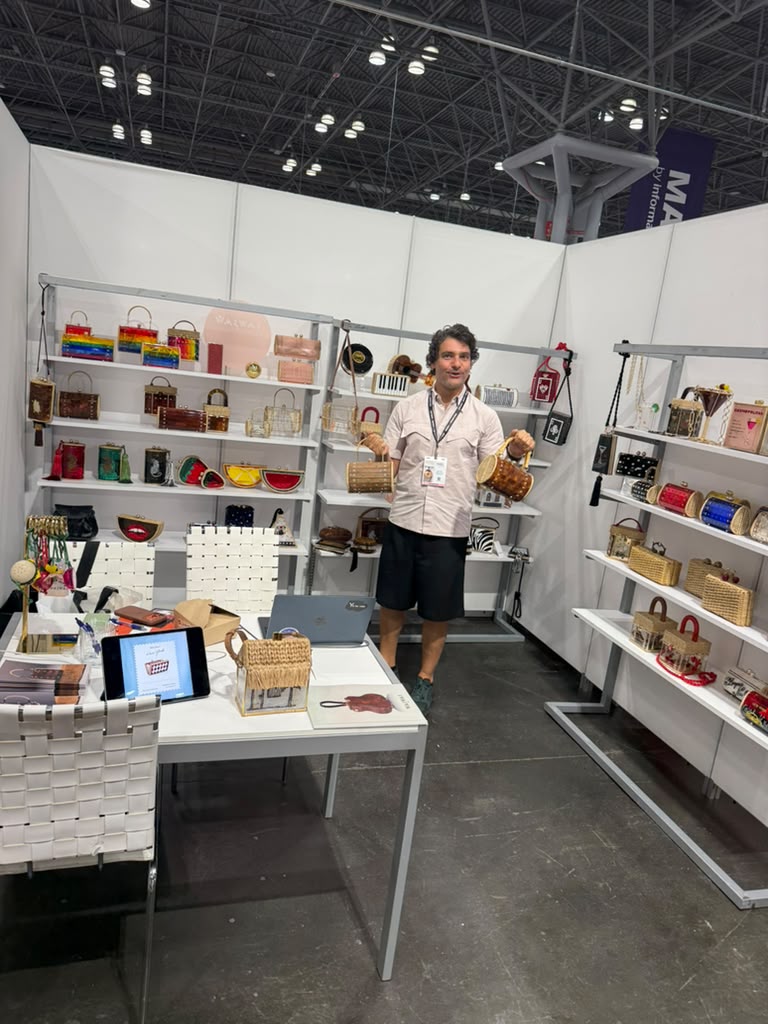
WAIWAI Rio
Handmade in Rio for the world’s eternal summer, WAIWAI Rio carries an essentially carioca, tropical energy rooted in Brazil. Founded in 2015 by designer Leo Neves, a lifelong Rio native and stylist who built his eye working alongside major names on the city’s design scene. The brand makes handcrafted bags with a playful twist. Committed to slow fashion and local production, WAIWAI Rio’s meticulous manufacturing turns rustic and refined materials into a contemporary translation of Brazil: pieces in wood and straw layered with leather, silk, acrylic, and metal.
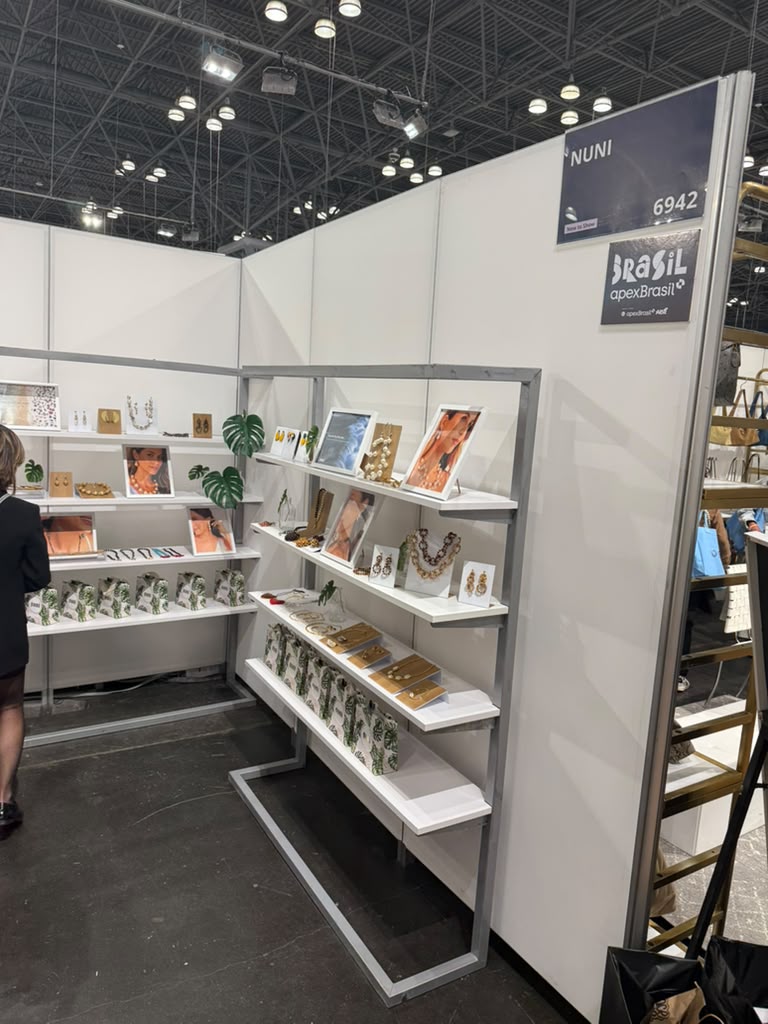
NUNI
Founded in 2017 by designer Ana (“Aninha”), a PUC-Rio graduate who spent a decade as a fashion press agent before turning her lifelong love of accessories into a brand of her own, NUNI makes colorful, lightweight jewelry defined by unexpected material mixes: rope, resin, metal, acrylic, even pieces salvaged from curtains or found on her travels. Each collection draws from a different inspiration, from a Matisse-and-Mondrian-inspired line of bold acrylic shapes to years of collaborations with names like Carandaí 25, Sebrae, and Senac. Every piece, and the brand’s identity itself, is Ana’s own creation.
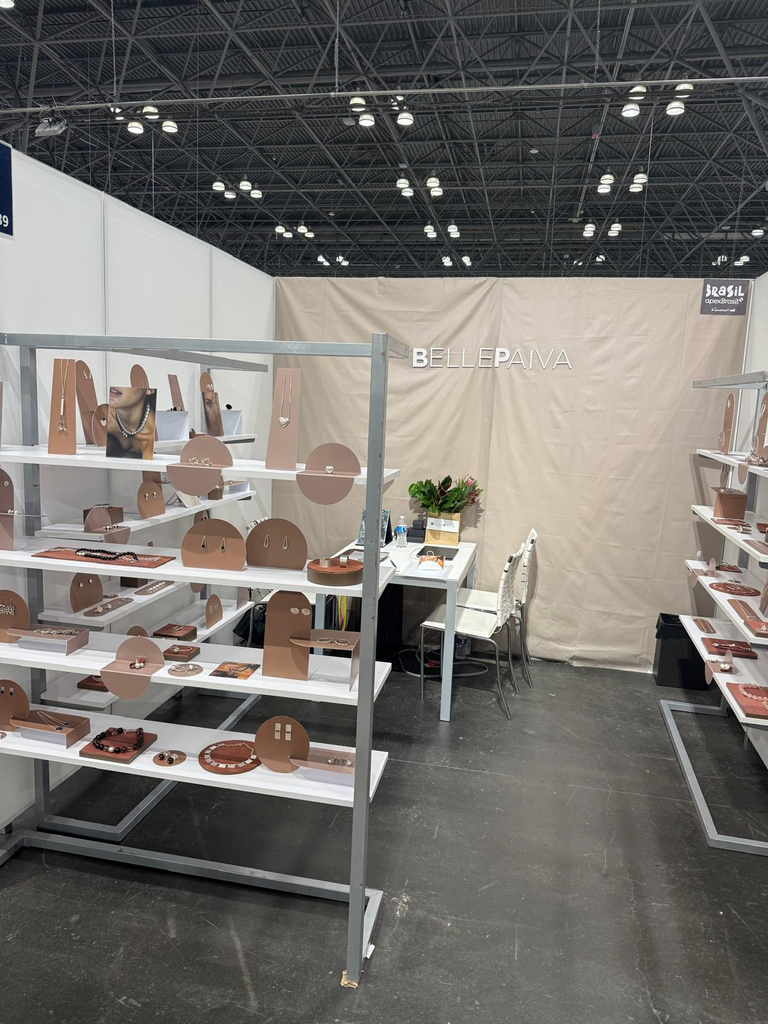
BELLE PAIVA
Founded in 2018 by graphic designer turned goldsmith Isabelle Paiva, Belle Paiva sits at the intersection of contemporary design and handcrafted tradition, translating her love of manual processes, texture, and meaning into jewelry. Each piece is handmade in recycled 950 silver and 18k gold, produced in small batches that combine authenticity, sophistication, and timeless design, built on the belief that elegance is a matter of attitude, and that a piece of jewelry can carry time, memory, and presence.
Why This Matters Beyond One Trade Show
One trade show does not create an export market.
But it can create the first conversation.
It can put a product in front of the right buyer. It can reveal whether a price point works. It can show how a brand story translates outside its home market. And it can begin relationships that only become valuable months later.
That is what makes a delegation like this interesting.
The story is not simply that twelve Brazilian brands came to New York.
It is that they came together, with a structured effort behind them, to understand what it takes to move from a strong domestic identity toward an international business.
For Brazilian fashion, that distinction matters.
What’s Next
Fashinnovation was in the room at COTERIE this season, meeting the delegation and seeing the brands firsthand.
And we’ll be following what happens next.
Because international expansion is rarely about one event.
It is about what happens after the introduction, after the trade show and after the first conversation.
That is where relationships turn into opportunities — and where brands begin proving whether they can travel.